What Can I Make with My Ingredients? A Practical Guide
Summary
Figuring out what can I make with my ingredients used to mean scrolling through recipe sites hoping something matched. Today, AI tools from dedicated apps to ChatGPT can generate meal ideas from your exact fridge contents in under a minute. This guide covers the five methods that actually work in a real kitchen, where they fail, and how to get better results from a single, well-structured prompt.
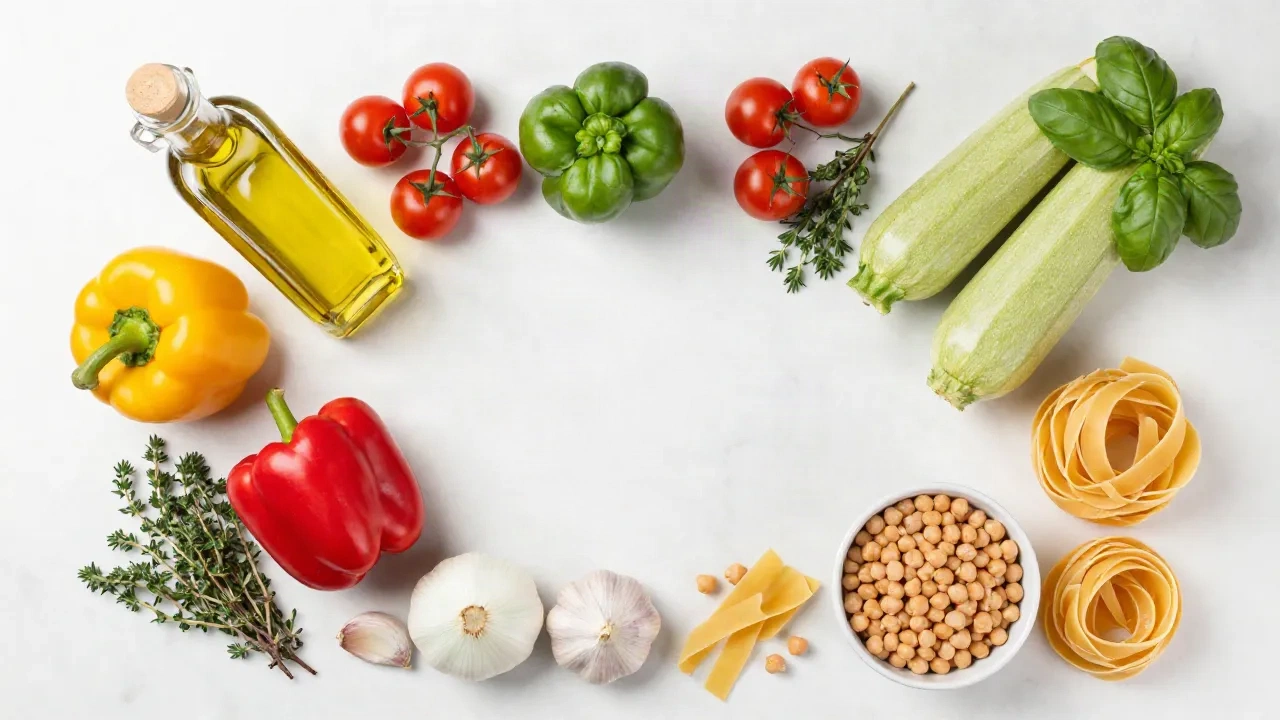
You have onions, two zucchinis, half a can of chickpeas, and a pasta nest at the back of the shelf. The question "what can I make with my ingredients?" takes less than 60 seconds to answer in 2026, if you know where to look. This guide covers what actually works, what wastes your time, and one angle most ingredient-search guides miss entirely.
You probably have more to cook than you think
Most home cooks underestimate what a half-stocked fridge can produce. The real problem is not the ingredients, it is the translation layer between "what I have" and "what I can cook tonight."
Three things limit most searches:
Being too literal: typing "zucchini pasta chickpea" and expecting a perfect recipe. Databases return partial matches. AI does better.
Ignoring technique: knowing you have zucchini and chickpeas does not help if you are not sure whether to roast, saute, or blitz them.
Forgetting pantry staples: olive oil, garlic, dried herbs, and pasta are almost always there. Your ingredient list is longer than you think.
The fix: when you search "what can I make with my ingredients", include your pantry staples. An AI given "zucchini, chickpeas, pasta, garlic, olive oil, dried thyme" comes back with three solid meal options in under 10 seconds. The question is which type of tool to use.
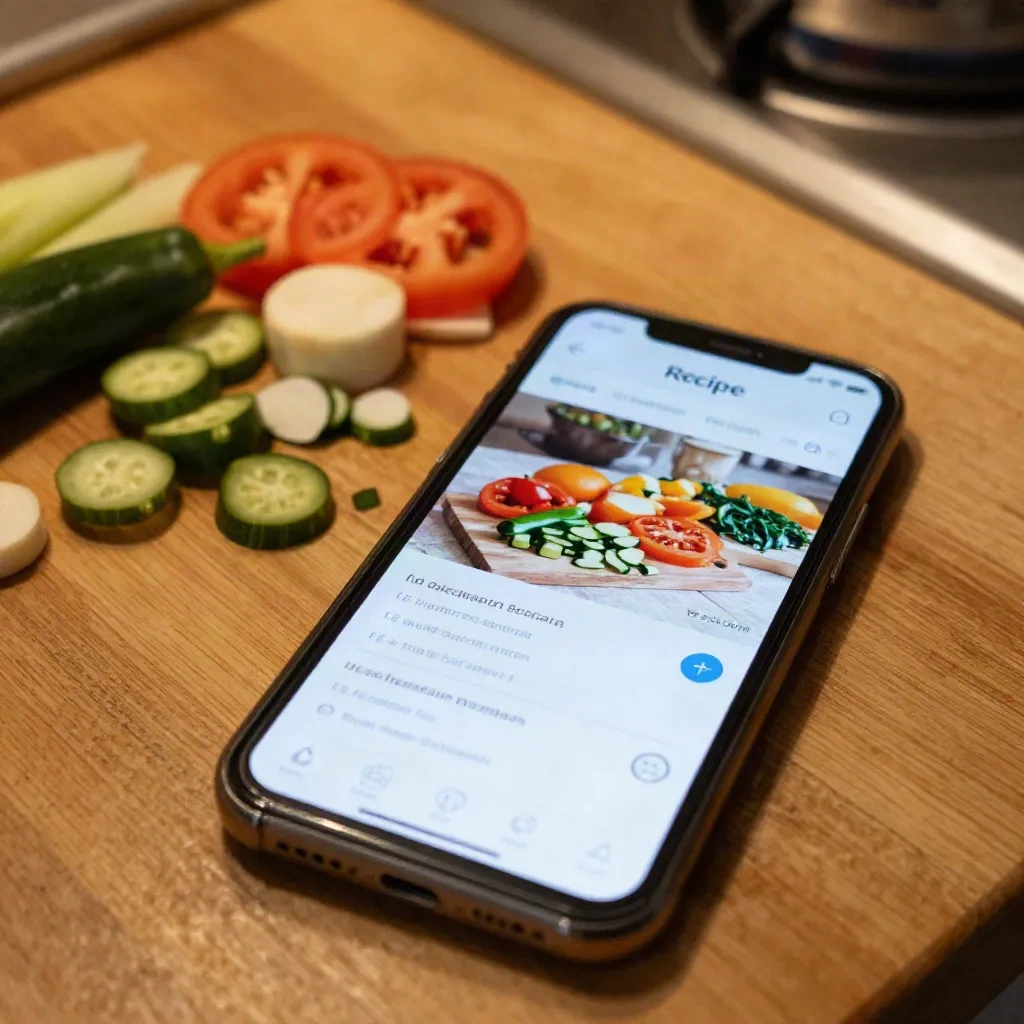
Two types of tools that answer this question (and when each works)
Not all "what can I make with my ingredients" tools work the same way. There are two categories, and confusing them leads to frustrating results.
Database matchers (Supercook, Samsung Food, Paprika): These tools cross-reference your ingredient list against an existing recipe database. They are fast and reliable when the recipe already exists. Limitation: if your combination is unusual, the database may return zero results. They do not invent.
AI generators (ChatGPT, DishGen, and tools like Reel2Recipe): These generate recipes on the fly based on your input. They handle odd combinations and give you step-by-step instructions for something that does not exist in any cookbook. Limitation: they sometimes suggest quantities or cooking times that need sense-checking before you commit.
The practical split: for clearing out a standard fridge, database matchers are faster. For unusual combinations, expiring produce, or when you want something genuinely new, AI generators give you more flexibility. Both take under a minute once you have your ingredient list ready.
What AI actually gets wrong when you list your ingredients
Worth knowing before you rely on it completely. Three failure modes, tested in a real kitchen over several weeks:
Quantity blindness: Tell ChatGPT you have "zucchini" and it will give you a recipe sized for two medium ones. Tell it you have "3 small zucchinis about 150g each" and it scales the recipe correctly. Most people type ingredient names without amounts. The AI assumes a standard full portion for each item on the list.
Freshness does not register: AI does not know your spinach is two days from wilting and needs to go in tonight. Mention it explicitly. "Spinach that needs to be used today" is a different prompt than "spinach." The first one reliably prioritizes spinach-forward dishes. The second might give you spinach as a garnish.
Technique assumptions: A recipe that says "roast at 200C for 25 minutes" is fine if you have 35 minutes and a working oven. If you have 15 minutes and one pan, it is not fine. Add your constraint upfront: "I have 20 minutes and one large pan" before listing your ingredients.
The fix each time is the same: more specificity, not less. A shorter, vaguer prompt is not faster. It gives you a recipe you cannot actually use.
The fastest method: one prompt format that actually works
This is what I use on weeknights. It takes 45 seconds from fridge to recipe.
Open ChatGPT. Type this, adapted to your actual fridge contents:
"I have: 2 zucchinis, 1 can chickpeas (drained), 1 lemon, 3 garlic cloves, olive oil, dried oregano, and 200g of linguine. I have 25 minutes and one large pan. Give me a recipe that uses most of these. Mediterranean direction preferred."
That is the structure. The time constraint and pan count force the AI to give you something executable, not theoretical. The flavor direction is optional but gives you better results when your ingredients go multiple ways.
What comes back: a recipe title, ingredient list with quantities, and step-by-step method with timed increments. On a Tuesday at 19:30, that is exactly what you need.
If the result does not look right, the best follow-up is not to start a new chat. Add one correction in the same conversation: "Make it work with one pan" or "Skip the lemon, I do not have one." The AI remembers the ingredient list you already gave it and adjusts without you repeating everything from scratch. That back-and-forth, kept in the same thread, usually lands a usable recipe within two exchanges.
One honest note: the AI cannot tell you if the result will taste good. That part is still yours.
Skip this method if you are cooking for someone with specific dietary restrictions and need reliable ingredient substitutions. In that case, a dedicated meal planning app that has already validated its recipes against allergen databases will give you a safer starting point than a general AI.
When a cooking video tells you what you can make
This is the angle most ingredient-search guides miss entirely.
If you follow cooking accounts on TikTok, Instagram, or YouTube, you have probably seen a dish that used ingredients you already had. You paused the video, tried to catch the quantities, and either gave up or cooked something approximated from memory. The result was probably fine. It could have been better.
The Reel2Recipe approach reverses the direction: instead of starting from your ingredients and hunting for a recipe, you start from a cooking video you already like and extract the full recipe from it. This includes quantities mentioned verbally in the audio, timings shown visually but never spelled out as text, and substitutions the creator mentions offhand at the end of the video.
Three things this handles better than manual note-taking:
Measurements said aloud but not shown on screen: the transcript captures them, not your memory
Scaling: once you have the full ingredient list from the video, you can ask the AI to scale it to 2 or 6 portions
Substitutions: if you have 8 out of 10 ingredients, ask what replaces the two missing ones
The result is a clean recipe card you can read at 19:30 without rewinding the video. If the dish fits your current fridge, you cook it. If it does not, the extracted ingredient list tells you exactly which 2 or 3 items you would need to pick up.
Three things to do before you open any app
Tried the app-first approach consistently. Reached the same conclusion most people do after a while: the prep matters more than the tool.
1. Check what expires first. Spend 90 seconds with your fridge door open, identifying what is 48 hours from unusable. That drives the recipe choice for tonight, not what sounds appealing in the abstract.
2. Include the obvious pantry. Olive oil, garlic, salt, pasta, canned tomatoes, dried herbs: almost everyone has these, almost nobody includes them in an ingredient search. A more complete list returns a more useful recipe. The AI cannot work with what you do not tell it.
3. Decide on time and method upfront. "What can I make tonight" is different from "what can I prep on Sunday for the week." An AI that knows you have 15 minutes and one pan gives you a stir-fry, not a braise. A constraint is useful information, not a limitation.
According to US EPA food waste data, households waste roughly 30 to 40 percent of their food supply. A weekly "clear the fridge" cook, guided by any of the tools above, realistically cuts that number without requiring a meal plan subscription or a rigid weekly shopping list.
What a well-stocked home fridge usually holds
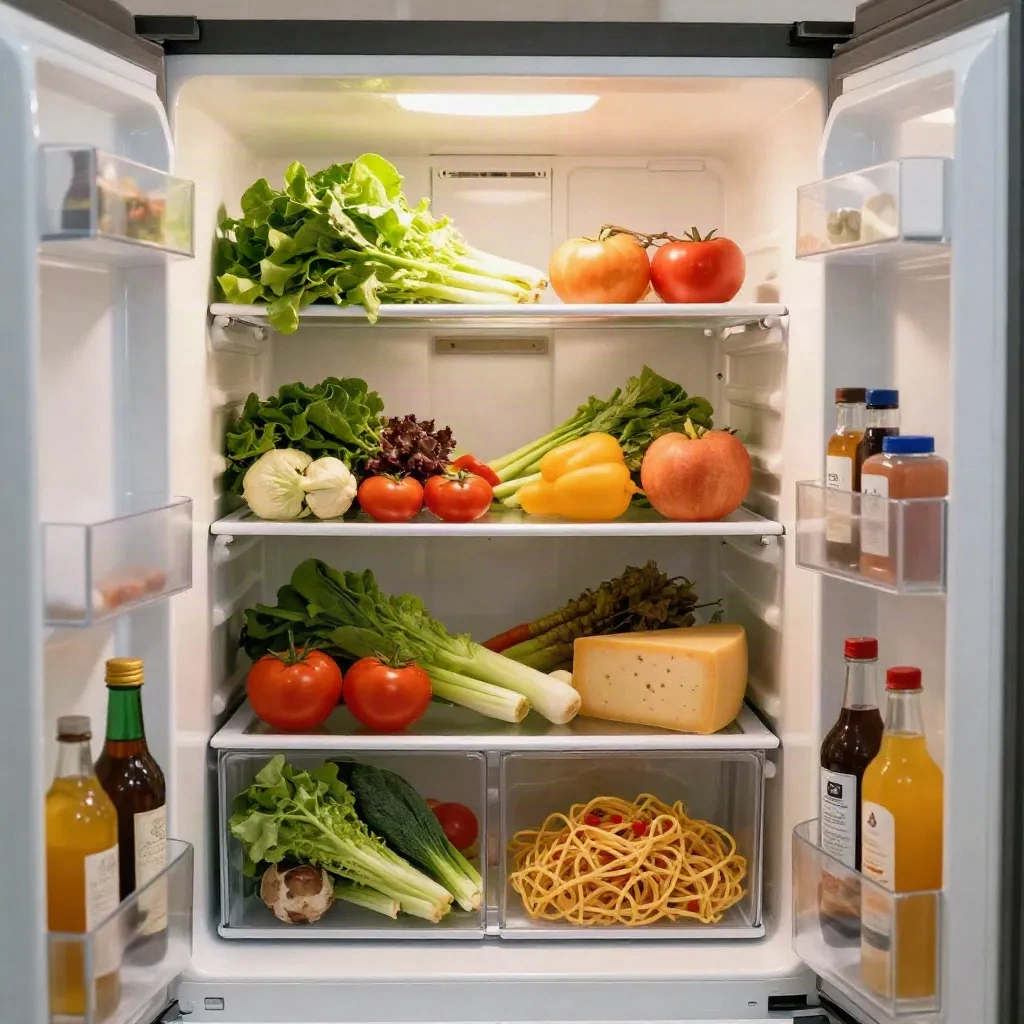
The honest list of what most home fridges contain, and from which you can build something real most nights of the week:
Protein: eggs, hard or soft cheese, leftover cooked chicken or meat, canned fish
Vegetables: onion, garlic, tomatoes fresh or canned, whatever greens are still viable
Carbs: pasta, rice, bread (stale bread works for croutons or panzanella), potatoes
Condiments: olive oil, mustard, soy sauce or Worcestershire, hot sauce
Pantry: canned beans or chickpeas, dried herbs, stock cubes, lemon
Give that list to ChatGPT with a time constraint and one flavor direction. The recipes that come back are not exotic. They are the kind of thing you would eat on a Thursday, make again next week without looking up the recipe, and not feel like you had to work particularly hard for. That is the point.
Une recette propre, c'est une recette qu'on peut relire a 19h30 sans stresser. The same logic applies to ingredient searches: a clean, specific prompt returns something you can actually cook tonight, not tomorrow when you have more time to think about it.