Spanish Tapas Recipes: The Ones Worth Making at Home
Summary
Spanish tapas recipes work at home when you pick the right five: gambas al ajillo, patatas bravas, tortilla espanola, pan con tomate, and pimientos de Padron. Each one requires a small technique most videos skip. This guide covers the steps for all five, explains the smoked paprika that makes bravas sauce work, and shows how to sequence a tapas table for six without a four-hour prep.
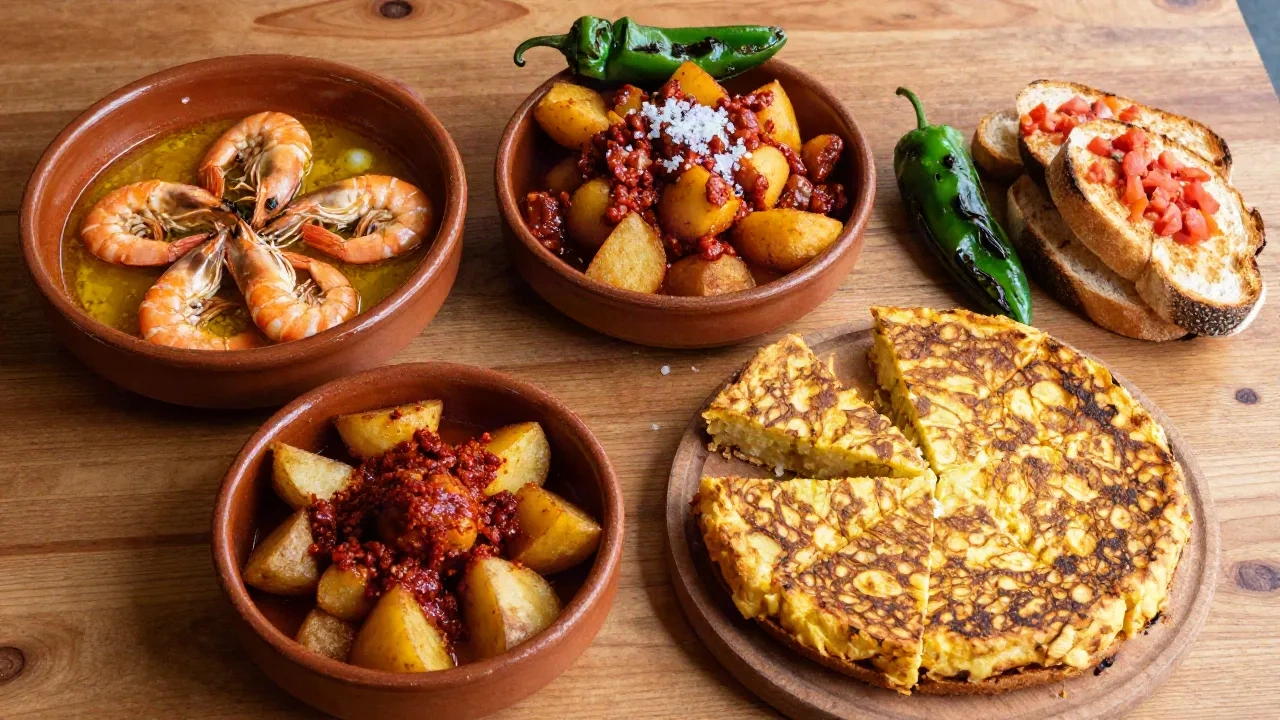
Spanish tapas recipes show up on TikTok looking easy. A pan of sizzling shrimp, a tortilla sliding out onto a plate, potato chunks hitting a bowl. Most of them are within reach on a weeknight. The ones that actually work at home share three things: few ingredients, forgiving timing, and a technique you only need to learn once. This is that list.
Why most tapas videos skip the part that matters
A typical tapas Reel shows the final plate and the sizzle, not the prep logic. What it doesn't show: the garlic going in off the heat, the potato being salted at exactly the right stage, the fact that the bravas sauce takes 15 minutes, not 5.
When Reel2Recipe converts a Spanish tapas video into a recipe card, the most common gaps in the transcript are timing and temperature, not the ingredient list. The app captures the ingredients well. What it flags as incomplete are the "2 minutes at medium heat" instructions that the creator says in passing without subtitles.
Three things to know before you start:
Most tapas cook fast once your oil or pan is at temperature. The prep is the slow part.
"Serve at room temperature" on a tortilla means it's forgiving, not that it's ready in 10 minutes.
Spanish paprika (pimentón de la Vera) is not interchangeable with regular paprika. One is smoky. One is not.
The 5 tapas that hold up in any kitchen
There are dozens of tapas on every restaurant menu. These five behave well at home, scale to any serving size, and can be made with ingredients you'll find in most grocery stores:
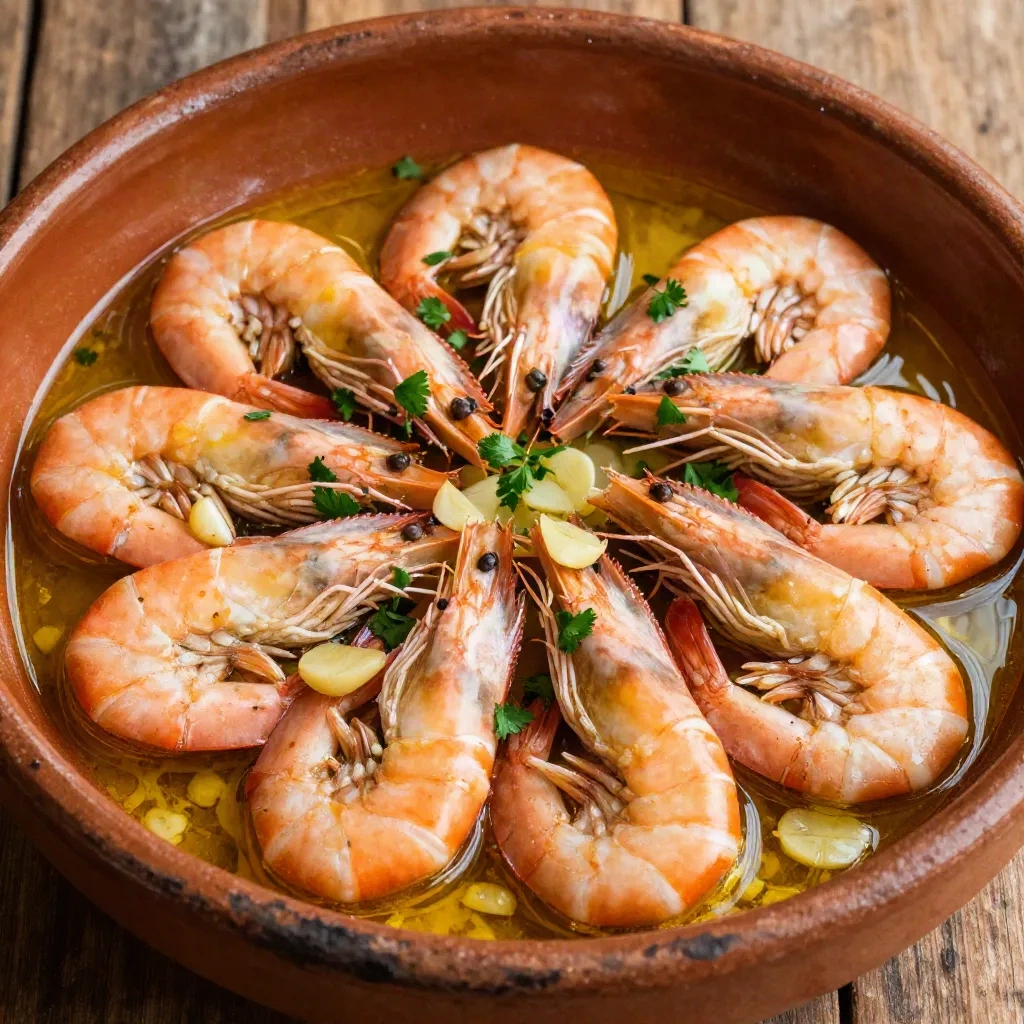
Gambas al ajillo - sizzling shrimp with garlic and olive oil. Done in 8 minutes.
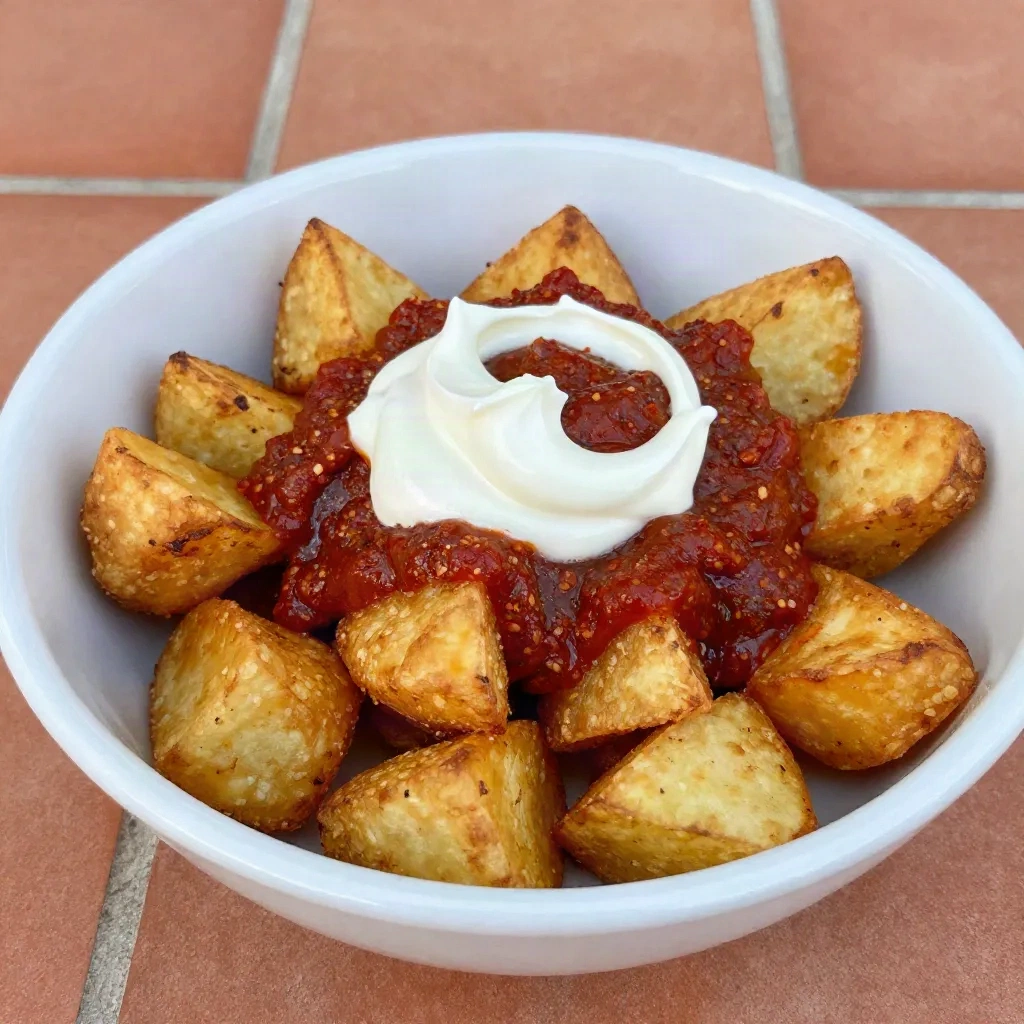
Patatas bravas - fried or roasted potatoes with paprika sauce. Done in 30 minutes.
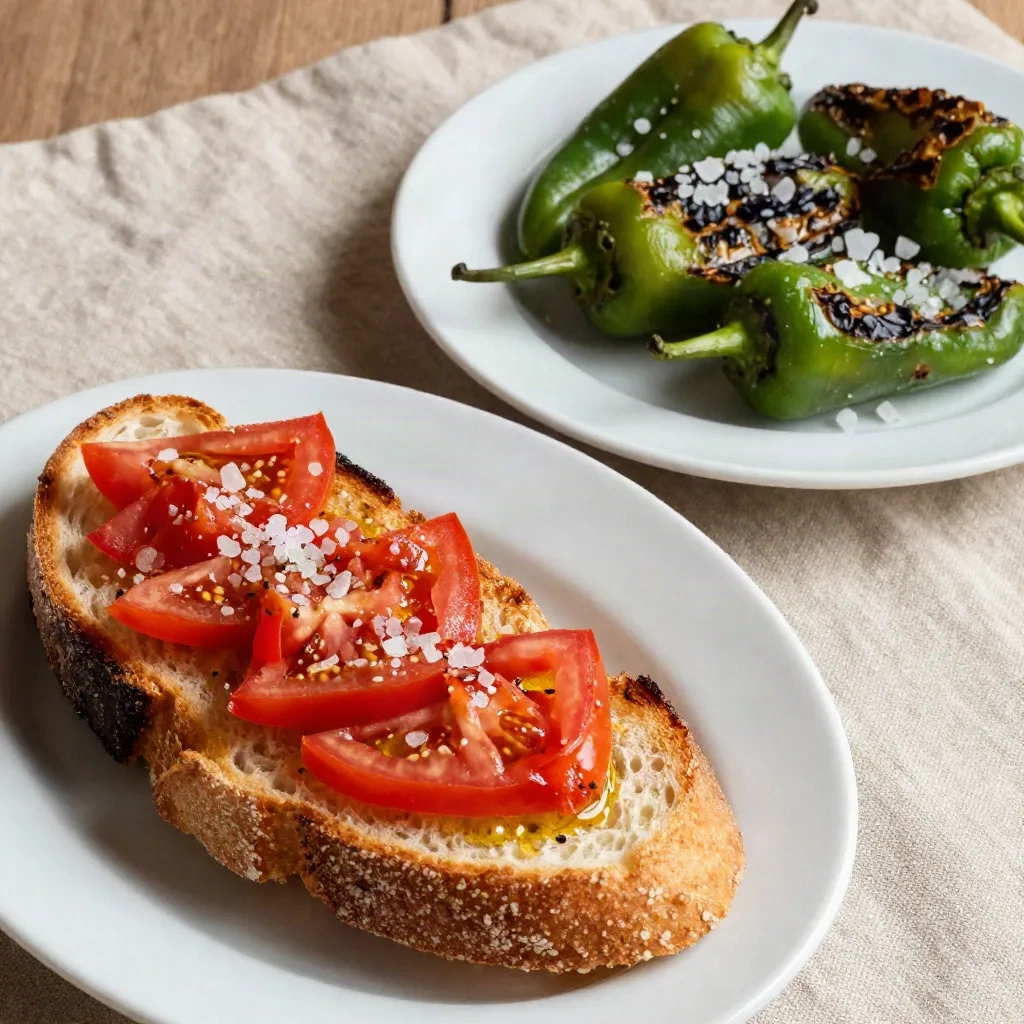
Pan con tomate - bread rubbed with garlic and ripe tomato. Done in 5 minutes.
Tortilla española - potato omelette. Done in 45 minutes. Worth every one of them.
Pimientos de Padrón - blistered peppers with flaky salt. Done in 6 minutes.
What doesn't make the list: croquetas de jamón (excellent, but they require a béchamel that takes real focus), boquerones en vinagre (they need 24 hours to cure), and anything that requires specific Spanish charcuterie you can't source locally.
Gambas al Ajillo: done in 8 minutes, hard to mess up
The dish runs on three ingredients executed well: shrimp, garlic, olive oil. You can add dried chili (guindilla or a pinch of cayenne) and a splash of dry sherry. That's the full ingredient list.
What you need for 4 people:
500g raw shrimp, peeled, tail-on if you want the bar feel
6 cloves garlic, thinly sliced
80ml olive oil
1 dried chili, crumbled (or a pinch of cayenne)
Flaky salt
Optional: 30ml dry sherry, flat-leaf parsley
How you do it, in order:
Heat the olive oil in a wide pan or cazuela. The clay dish you see in the videos is functional, not decorative: clay holds heat evenly and keeps the oil at temperature once it's off the flame. Add the garlic when the oil is warm, not smoking. Watch it turn translucent, 2 to 3 minutes. Add the chili.
Add the shrimp when the garlic is golden. They take 2 to 3 minutes per side at medium heat. Add the sherry now if you're using it; it'll hiss and reduce in 30 seconds. Pull the pan off the heat, scatter parsley, salt generously.
Serve immediately in the pan. The oil at the bottom is the point. You'll need bread.
The video version usually skips the step of putting garlic in before the shrimp. If you add both together, the garlic burns before the shrimp cooks.
Patatas Bravas: skip the tomato, use the paprika
Bravas sauce is red. Most people assume that means tomatoes. It doesn't.
The traditional bravas sauce, at least in Madrid where the dish originated, is built on smoked paprika, flour, chicken stock, and olive oil. The red color comes from pimentón de la Vera: a Spanish smoked paprika with protected designation of origin status, made from peppers dried over oak fires in Extremadura. It's not spicy. It's smoky. The heat in bravas comes from a separate garlic sauce or a small amount of cayenne.
Madrid style (bravas sauce only):
Fry 2 tbsp olive oil with 1 tbsp flour for 2 minutes. Add 2 tsp smoked paprika, stir 30 seconds. Whisk in 250ml warm chicken stock. Season and simmer 5 minutes until it coats a spoon.
Barcelona style (bravas sauce plus alioli):
Add a tablespoon of good alioli or garlicky mayonnaise on top or alongside. Barcelona chefs call the combination "patatas bravas" but the purists in Madrid disagree. Both are worth eating.
The potatoes: boil unpeeled waxy potatoes for 15 to 20 minutes until just cooked through. Let them cool completely. Cut into chunks. Fry in hot oil at 180°C for 8 to 10 minutes until golden and crisp. The pre-boiling step is what most tapas videos skip. Without it, the potato stays raw inside or gets greasy.
Tortilla Española: what the flip videos never show
The tortilla española might be Spain's most filmed dish. The flip, a smooth inversion from pan to plate and back, gets millions of views. What the video never shows: the 20 minutes before it.
What the texture depends on:
A good tortilla is not fully cooked eggs. It should be slightly custardy in the center when you flip it: set but soft when you press the middle. The Spanish call this "jugosa." Achieving it requires patience on low heat and trusting the process when the eggs still look underdone on top.
Ingredients for 6 to 8 people:
6 to 7 large eggs
600g waxy potatoes, peeled and thinly sliced
1 medium onion, thinly sliced
120ml olive oil
Salt
How you do it:
Fry the potatoes and onion in olive oil at medium-low heat for 20 to 25 minutes. They should be soft, not browned. Drain them, reserving the oil. Beat the eggs with salt, fold in the warm potatoes. Let the mixture rest 5 to 10 minutes; this step helps the egg absorb the potato flavor and makes the final texture more cohesive.
Heat 2 tbsp of reserved oil in a non-stick pan (24cm is the right size for this quantity). Pour in the egg-potato mixture. Cook on low heat for 8 to 10 minutes until the sides are set but the top is still wet. This is when you flip it: plate on top of pan, one clean motion, slide back in. Cook 2 to 3 more minutes.
The result: firm edges, soft center, served at room temperature. You can make it up to 4 hours ahead, which is unusual for egg dishes and very useful when you're hosting.
Pan con Tomate and Pimientos: the 5-minute options
These two tapas require almost nothing from you. They're the anchors for a larger spread, going on the table while the tortilla cools and the patatas bravas are frying.
Pan con Tomate:
Grate ripe tomatoes on a box grater. Toast sturdy bread (sourdough works, baguette works, anything with structure). Rub the cut side of a halved garlic clove on the warm toast once, not until the bread is soaked. Spoon the grated tomato on. Drizzle with olive oil. Salt generously.
The texture from grating is the point. Don't dice, don't blend, don't use canned. A very ripe, very red tomato in summer is what this is for. In winter, skip it and serve more olives.
Pimientos de Padrón:
Heat olive oil in a heavy pan until it just starts to shimmer. Add Padrón peppers (or shishito peppers, which behave similarly). Cook untouched for 2 to 3 minutes until the skins blister on one side. Turn once. Transfer to a plate, scatter with flaky sea salt.
One in every eight to ten peppers will be spicy. There's no way to tell in advance. That's the appeal.
How to build a tapas table without a 4-hour prep
Hosting 6 people on tapas works if you sequence the prep correctly. The mistake most people make is trying to cook everything at once.
Day before:
Make the bravas sauce (keeps refrigerated for 3 days)
Boil and cool the potatoes for bravas
1 hour before guests arrive:
Make the tortilla, let it cool on a rack
Set up bread and tomatoes for pan con tomate
20 minutes before:
Fry the patatas bravas
When guests arrive:
Pan con tomate: 5 minutes
Pimientos de Padrón: 6 minutes
Gambas al ajillo: 8 minutes, this one last, serve immediately
The tortilla slices go on the table at room temperature. The gambas go from pan to table in under a minute. Everyone gets food immediately and you're not stuck at the stove.
One thing to skip if you're running short on time or equipment: anything that requires frying in sequence. You can't fry gambas and patatas simultaneously if you only have one burner and one heavy pan. Pick one fried item per session and make up the spread with pan con tomate, the tortilla, and good olives.