How to Get Good AI Recipe Ideas That Actually Work
Summary
AI recipe ideas work best when you give the tool something precise: a video transcript, a short ingredient list, a dish with real constraints. The tools that matter right now handle different problems: ChatGPT for flexible prompt-based generation, Mealime for weekly planning, Samsung Food for importing from video. None replace knowing a dish. But used with a specific ask, they cut the time between 'what do I cook tonight' and a meal on the table.
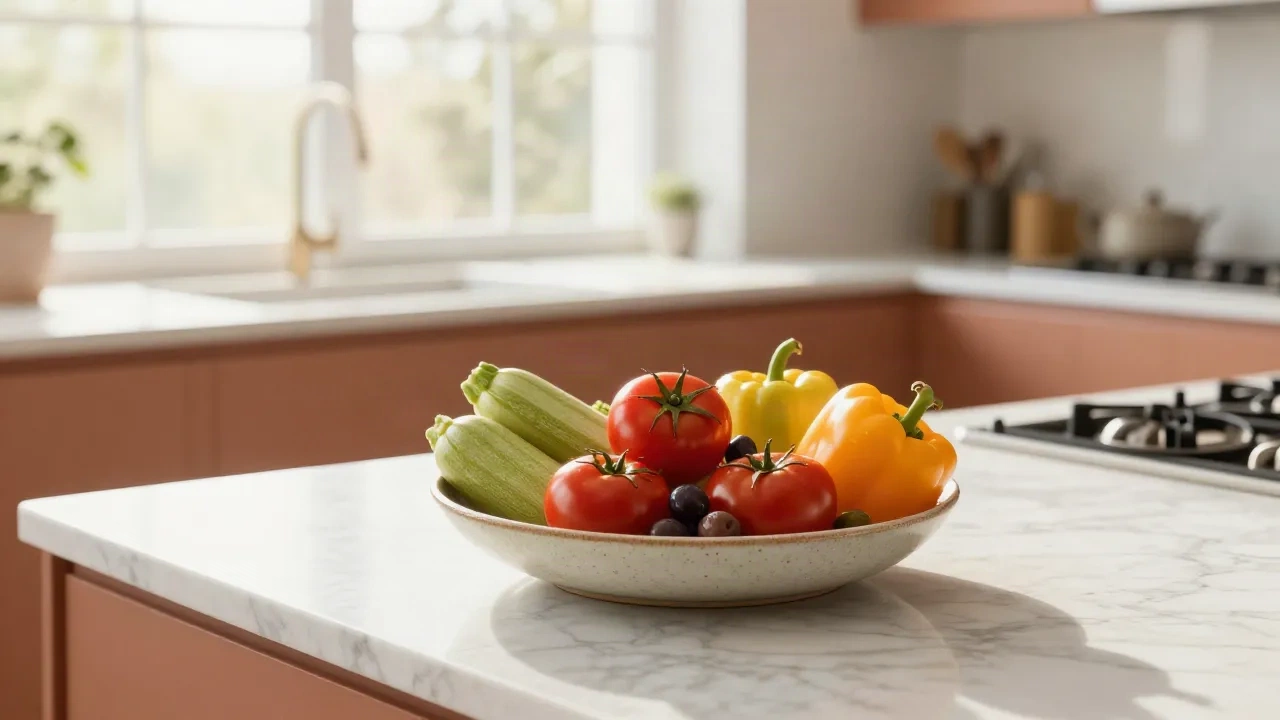
The best ai recipe ideas come from giving the tool something specific: a video transcript, a list of three ingredients you actually have, a dish name with real constraints. Asking "what should I cook tonight?" is too vague for any AI to answer usefully. Three things to know before you start: the input matters more than the tool, AI reads text far better than it reads video, and any recipe without precise quantities needs editing before you go near the stove.
What AI Actually Does When It Generates a Recipe
AI recipe tools do not cook. They predict. Based on patterns in millions of recipes they have processed, they generate a sequence of steps that statistically makes sense given your input. That is useful, but it also explains why they fail in very specific and repeatable ways.
A tool that has seen 10,000 stifado recipes will give you a reasonable stifado structure. It will not know that yours needs to cook for 3 hours rather than 90 minutes, or that your cinnamon stick is old and should be doubled. The recipe that comes out is a solid draft, not a finished dish.
The practical implication: treat every AI-generated recipe as a first pass that you read before you start cooking, not while you are at the stove. One read-through is usually enough to spot the problems. Once you know what to look for, the drafts get useful fast.
Why Video Is a Better Input Than a Grocery List
Most ai recipe ideas guides tell you to type in your ingredients. That works. But if you have been saving cooking videos on TikTok or Reels, there is a better starting point.
A cooking video gives the AI context it cannot get from "pasta, eggs, pancetta": it shows technique, ratios, timing cues, and the specific sequence of steps the creator actually used. When you feed a video transcript to ChatGPT, you are giving it a near-complete recipe with the creator's reasoning still intact.
The limitation is precise: AI reads the subtitles and captions, not the video itself. If the creator says "add a generous pour of olive oil" without specifying a volume, the AI guesses. It usually guesses two tablespoons, which is fine for carbonara but wrong for Greek braised lamb. When you see a vague quantity in an AI-generated recipe, that is the moment to check the original source.
The workflow that works best: save the video, paste the auto-generated transcript into ChatGPT, and ask it to "structure this as a recipe with quantities in grams and milliliters." The output needs less editing than a pure-invention prompt.
Three Types of AI Recipe Ideas (and Which to Try First)
Not all AI recipe prompts produce the same quality of output. Here is how to think about them:
Ingredient-based prompts. "I have chickpeas, a lemon, tahini, and leftover rice." This is where most tools do well. The output is coherent because the ingredients already narrow the solution space significantly. Start here if you are new to this.
Video-derived recipes. Paste a video transcript or a detailed description of the dish and ask the AI to structure it as a recipe with specific quantities. More setup work, but the output quality is noticeably higher when the source video is detailed. The AI has more to work with and fills in fewer blanks by guessing.
Style-guided requests. "Give me a weeknight version of a Greek fisherman's stew, for 2 people, ready in 45 minutes." These work well for experienced cooks who know the dish and can catch when the AI drifts. A good fallback if you want something specific but do not have a source video.
Start with ingredient-based. Move to video-derived once you have built the habit of saving video transcripts alongside bookmarked recipes. Style-guided prompts are best once you have a sense of what the AI does reliably and what it invents.
What the AI Gets Wrong, Consistently
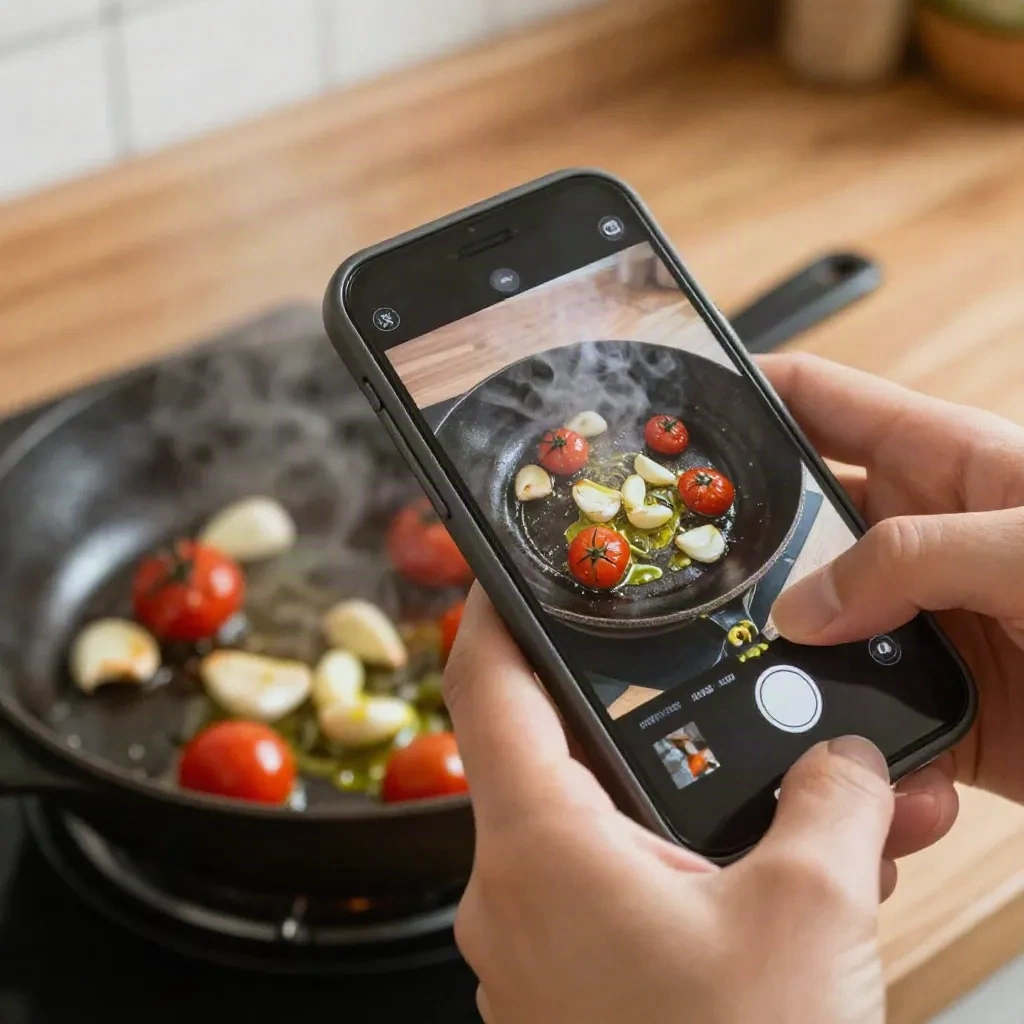
On tested results across several tools, these are the failure points that show up again and again:
Quantities from oral sources. If a creator says "season well" or "a drizzle of oil", the AI fills in a number. That number is a statistical average, not a tested quantity. Check every measurement that feels imprecise in the source material.
Mediterranean slow-cook timing. AI tools consistently underestimate braising times. A genuine stifado, a Provencal daube, a Sicilian ragu: they all need longer than what the AI will tell you on first pass. Add 30 to 45 minutes to any braised dish the AI describes as done in under 2 hours.
"Pinch" and similar non-measurements. AI converts these literally, typically to one eighth of a teaspoon, without considering what the dish needs. In a recipe with no salt until the very end, that matters.
Baking ratios. AI handles bread and pastry worse than savory cooking, because baking is less forgiving of approximation. The flour-to-water ratio in a focaccia prompt can be off by 10 to 15 percent. Always cross-check with a known-good baked goods recipe before you commit.
What no tool gets right. Whether the onion is translucent enough. When the garlic smells cooked rather than raw. When the sauce is thick enough to coat the back of a spoon. AI descriptions of these moments are always a bit off, because they are describing them from text, not from having cooked.
Five AI Recipe Ideas Worth Trying Tonight
Here are five prompts that consistently produce good results, tested across ChatGPT and a couple of recipe-specific tools. The trick in each case is making the prompt specific enough that the AI has no reason to invent.
1. Greek chickpea soup (revithada style). Prompt: "Simple Greek chickpea soup with lemon, olive oil, and onion, no tomato, island style, serves 2." The AI gives you a clean base. Add the lemon at the end, not during cooking, regardless of what the recipe says.
2. Pasta aglio e olio with a twist. Prompt: "Pasta aglio e olio with a small amount of anchovy and capers. Serves 2, ready in 20 minutes." This works well because the dish structure is clear and the modifications are minor. The AI knows aglio e olio, the additions are complementary, and it does not need to invent much.
3. Baked feta with cherry tomatoes. Prompt: "Feta baked in olive oil with cherry tomatoes, oregano, and chili flakes. Serve with crusty bread. Specify oven temperature and time." The AI gets this right reliably: 200 degrees Celsius, 20 to 25 minutes. It is a dish where the quantities do not matter much and the AI knows it.
4. Shakshuka from pantry staples. Prompt: "Shakshuka using only canned tomatoes, eggs, and spices I am likely to have. No fresh peppers." Fast and accurate. The AI handles spice combinations well for North African dishes, and the egg-poaching timing is usually correct.
5. Courgette fritters (kolokythokeftedes). Prompt: "Greek zucchini fritters with feta and dill, fried not baked. Give me the ratio of zucchini to flour and the egg count for a small batch of 8 to 10 fritters." The ratio prompt is what matters: it forces the AI to give you numbers instead of vague proportions.
The Tools That Actually Help
ChatGPT remains the most flexible option for ai recipe ideas. It handles complex prompts well, can structure a recipe from a video transcript, and will tell you when your request is too vague instead of guessing. The free version works for most cooking needs. The paid version handles longer transcripts better and does not cut off mid-recipe.
Mealime works differently: it is a meal planning app, not a chat interface. Useful if your problem is "what do I eat this week" rather than "what do I cook right now." The AI-generated plans are nutritionally balanced and the grocery lists are automatically deduplicated, which saves real time on the weekly shop.
Samsung Food (formerly Whisk) is worth knowing if you are already in the Samsung ecosystem. Its video import feature pulls recipes directly from YouTube links, which is the closest thing to a real video-to-recipe workflow among consumer apps. The quality of the extracted recipe depends heavily on the source video, but it removes the manual transcript step.
Paprika is not an AI recipe generator: it is a recipe organizer. Useful because it pairs well with AI-generated recipes. You can save the ChatGPT output directly from your browser, add your own notes, adjust the quantities, and build a personal archive of the recipes that actually worked. It handles what the AI cannot: memory.
When to Stop Listening to the AI
The AI knows the structure of the dish. It does not know your oven, your olive oil, or the particular garlic you bought this week. A recipe that asks for three garlic cloves for a sauce for four people is correct in principle, and it might be four if you bought the small ones from the market, and maybe two if you are using the fermented black garlic from that jar you bought six months ago.
This is the gap no tool closes. The ai recipe ideas that work best in practice are the ones where you already know the dish well enough to catch the errors. If you are cooking something completely new to you, use the AI output as a structure and check two or three additional sources before you start.
The result: solid ingredient lists, useful technique prompts, and good starting ratios. For anyone who cooks regularly and knows what a dish is supposed to taste like, that is enough to make dinner every night without starting from scratch.